Heat, Smoke and Measles? Summer’s Starting Early ☀️
Plus, Zika in HI and a summer COVID surge may be coming our way
Measles News:
- Iowa and Nebraska both announced their first measles cases. (CIDRAP)
- Kansas continues to see growing cases, with a new case bringing the total to 64 in 11 different counties. (KC Star)
- Colorado has a measles outbreak tied to an international flight, with at least 3 passengers testing positive and multiple exposure locations across the state. (Denver Post)
Climate Health News:
- California and other parts of the West have an extreme heat warning this weekend with temps over 100 expected. (Bloomberg)
- Heavy smoke from Canadian wildfires is expected to hit parts of the midwest today. (ABC)
- Two of the world’s top weather forecasting agencies say we should be prepared for several years of killer heat. (AP)
Health News:
- Experts think the NB.1.8.1 strain could drive up a summer COVID surge in the U.S. this year, though cases are still low. (NBC)
- The U.S. and Argentina are launching an alternative to the W.H.O. (Hill)
- Cambodia reported its fourth fatal human H5N1 case of the year in an 11-year-old boy after contact with sick poultry. (CIDRAP)
- Poultry at an Arizona farm tested positive for H5N1, the second in Maricopa County this month. (ABC)
- Ready-to-eat andouille sausages were recalled due to potential Listeria contamination. (USDA)
- Skittles announced that they removed titanium dioxide, an additive banned in Europe but not the U.S. yet. (Bloomberg)
- The WHO warned of rising COVID activity in 3 of its regions: Western Pacific, Southeast Asia, and Eastern Mediterranean. (CIDRAP)
- HHS cancelled a $590 million contract with Moderna to develop an mRNA bird flu vaccine. (CNN)
- A boil water advisory was ordered for parts of Richmond, VA after the second issue at a local water treatment plan this year. (AP)
- A travel-related Zika virus case was confirmed in Hawaii. (Star Advertiser)
- Moms in the U.S. report a major decline in their mental health in recent years, a new study found. (CBS)
Best Questions:
Is the food safety system breaking down? Should restaurants be worried?
Honestly, we are worried, and while we don’t think it’s time to panic, we do think it’s time to prepare.
A growing number of food safety experts and public health leaders are sounding the alarm as federal oversight of food inspections gets quietly gutted. A new NPR report covers the ways that FDA and USDA are quietly downsizing and reshuffling responsibility for food safety inspections, leaving some types of food and facilities with far fewer routine checks.
It’s punching holes in a system that was already complicated and under-resourced: the USDA inspects meat and poultry, while the FDA handles nearly everything else. But now, amid mass federal layoffs and restructuring, this patchwork system is getting even shakier. Workers report confusion, fewer field staff, and inspection gaps across both agencies. That’s before we take into account the gutting of programs at CDC, including one that makes sure food-testing labs accurately ID deadly pathogens, or the communications teams that notify consumers of recalls.
For employers, especially those in restaurants and foodservice, this means one thing: don’t assume the system will catch contaminated products before they get to you. With weaker oversight, the responsibility for vetting suppliers, enforcing internal food safety standards, and catching red flags may fall more squarely on your team than ever before.
As one former USDA official told NPR, “There’s not a clear plan for who picks up the pieces.” Until there is, food safety leaders in restaurants may need to do exactly that.
Sources: NPR, KFF Health News
Should I go get a COVID shot this week before they’re no longer covered by insurance?
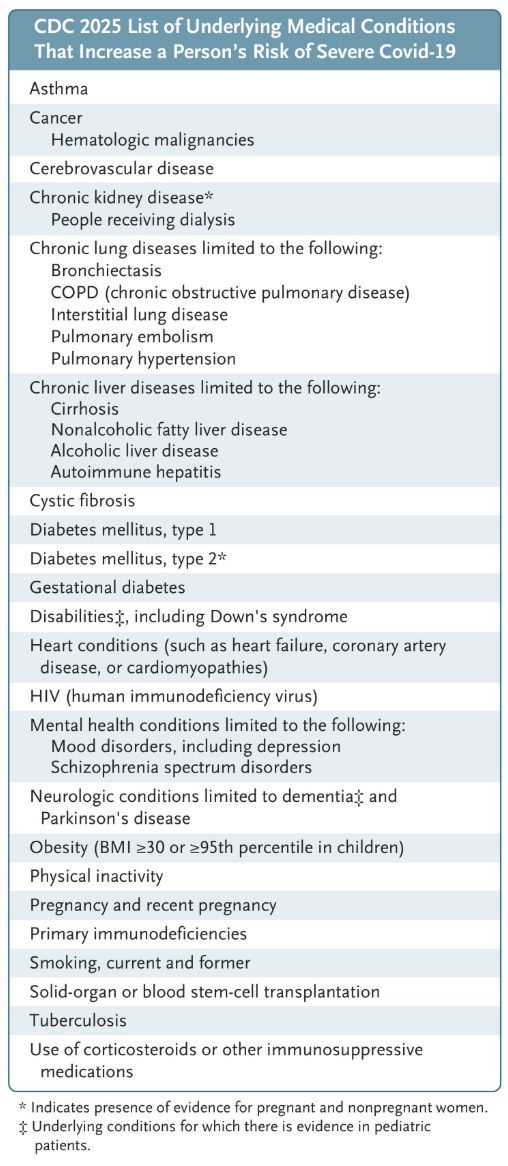
We’ve been hearing this question a lot this week, and for good reason. New federal guidance could significantly narrow who’s eligible for a free COVID booster this fall. New recommendations announced this week are limited to people 65 and older or those with underlying medical conditions that put them at higher risk of severe illness.
We’ve attached a list of those conditions below, but there’s an important update; notably, pregnant women and healthy children were dropped from the official recommendation list this week, which caught many public health experts by surprise. Other groups often included in other countries’ vaccine guidance, like healthcare workers, caregivers of high-risk individuals, and people who are overweight (but not obese), are also missing.
If you don’t fall into one of the high-risk categories, you may still be able to get a shot this fall, but they cost around $200 out of pocket. Most insurers only cover vaccines with an active federal recommendation, so coverage isn’t guaranteed.
If you’re on the fence, now might be a good time to talk with your doctor or pharmacist—especially if you want one more dose before fall and don’t want to risk losing coverage.
Sources: YLE, Reuters, NBC, Washington Post, USA Today
Best Read:
We loved this really thoughtful piece by Violet Affleck about applying what we learned during the COVID pandemic to wildfires.
A Chronically Ill Earth: COVID Organizing as a Model Climate Response in Los Angeles - Yale Global Health Review