Extreme heat & outbreaks galore 🫠
Cyclospora cases are still rising, though the largest outbreak seems to be slowing. Salmonella, E. coli, Listeria, and Ebola are making headlines, too...
Health News:
- The U.S. surpassed 18,000 Cyclospora cases this week, with 10,700+ in Michigan…(MDHHS)
- … but it looks like the MI outbreak may have peaked, with cases and ER visits slowing. (NBC)
- Between high prices and Cyclospora, lettuce is causing hard times at some restaurants. (AP)
- FDA is investigating three different Salmonella outbreaks, only one linked to a known source (eggs, including those sold in grocery stores), along with a small Listeria outbreak. (FDA)
- There’s also an outbreak of E. coli O145:H28 linked to organic frozen blueberries from Chile, shipped to Publix stores. (FDA)
- The Arizona-Mexico border will be the first to reopen to cattle after more than a yearlong closure to protect against New World screwworm. (KJZZ)
- West Nile virus continues to be unusually active, with an epicenter in Maricopa County, AZ. (FOI Clinical)
- Leprosy is on the rise in Florida, possibly linked to contact with armadillos. (USA Today)
- The Ebola outbreak in DRC has 3,500+ cases, with a surge in the past week, making it the second-largest ever in a much shorter time period. (CNN)
- 2 more people died from Legionnaires’ disease in NYC, for a total of 7 deaths out of 92 illnesses. (NBC)
- Measles is becoming so common that researchers are working on new treatment drugs. (WIRED)
Best Question:
What can we do to prep for more extreme heat?
As record heat becomes the norm rather than the exception, employers need to treat extreme heat the same way they do winter storms or hurricanes: with a plan.
That means clear policies on when outdoor operations should be paused during heatwaves. Think not only of construction workers or delivery drivers, but also servers on patios and drive-thru attendants.
Some health training is key: managers should be able to recognize and respond to early signs of heat illness. Heat stress can escalate quickly and deaths are possible, even on days that aren’t the hottest of the year. In a perfect world, we’d also recommend sending out heat warnings to managers when it’s an unusually hot day, or the first hot day in a while, though we know there are logistical challenges to that.
Indoor employees are at risk, too, especially in hot kitchens. Only a handful of states have permanent indoor heat regulations, but many others have legislation in progress.
Extreme heat can also drive a rise in other illnesses, like mosquito and tick-borne diseases, and even respiratory viruses when people spend more time cramped together inside air-conditioned rooms. Over time, employers should plan for more sick days and growing health impacts tied to heat.
In the short term, focus on sharing heat exhaustion and heat stroke info, and updating outdoor worker policies to protect your people. We’ll leave you with this simple graphic we like to use that’s easy for managers to see the warning signs of heat illness.
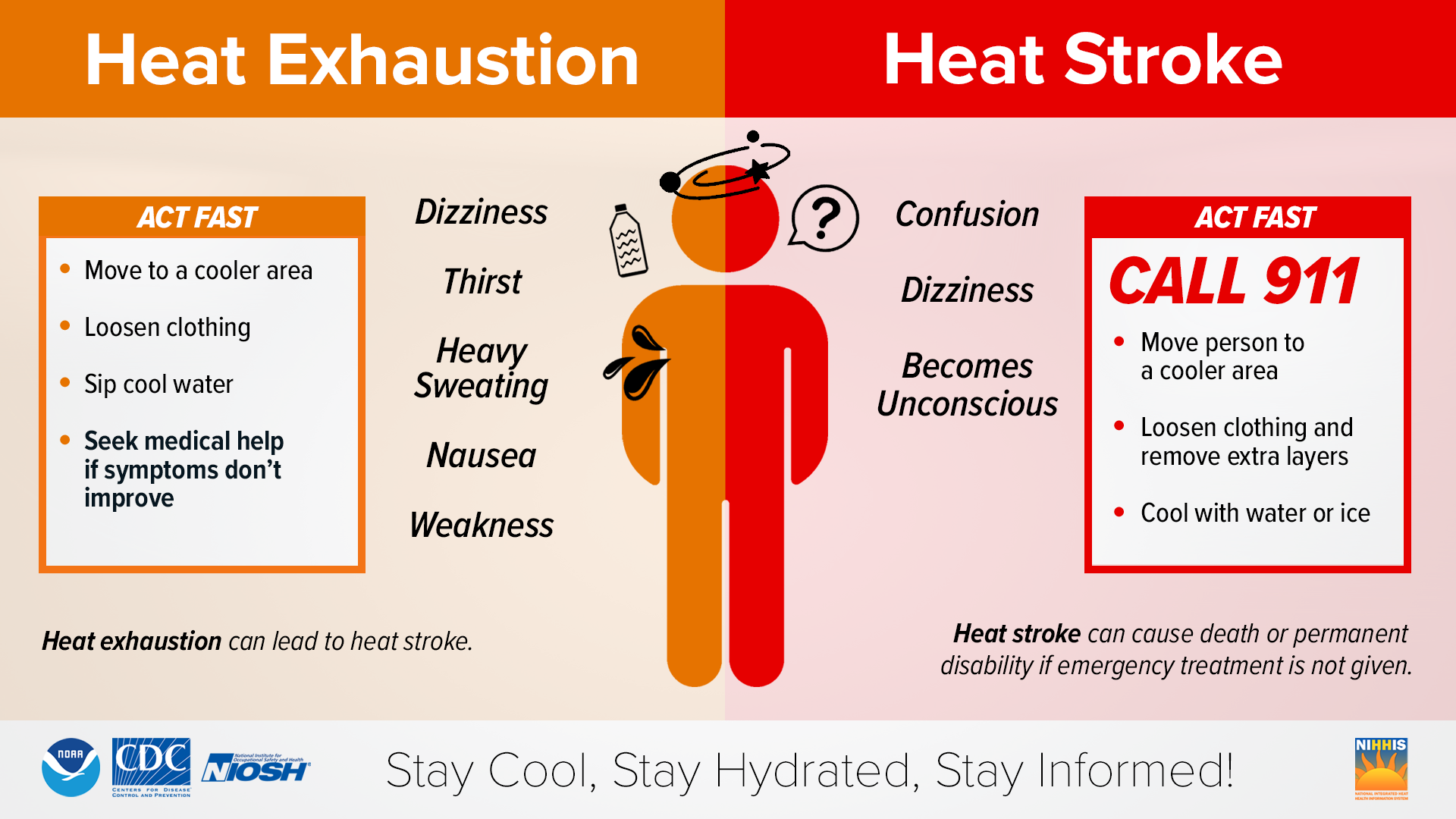
Sources: NPR, Atlantic, Weather.gov
Best Read:
An analysis of employees in Denmark found that people with diabetes who were taking Ozempic had fewer work absences. While major differences in the health systems of the two countries make comparing this to the U.S. hard, it’s an interesting thought for American employers who are considering whether to cover the drugs under their employee health plans.
GLP-1s can affect how often some people need to take time off work, study finds - Washington Post