🥚Egg Recall, FDA Staffing Crisis & Measles
Plus, Hep A in Cape Cod and new updates on mental health in food service workers
Measles News:
- The WHO’s vaccine director is sounding the alarm as U.S. measles cases continue to rise. (Politico)
- A huge outbreak has made Ontario, Canada the measles center of the western hemisphere. Three quarters of the country’s 2000+ cases are in unvaccinated children. (Guardian)
Health News:
- RFK Jr. removed every member of the CDC’s expert vaccine advisory committee (ACIP), announcing it via an op-ed in the Wall Street Journal. (AP)
- Nearly 2 million eggs sold in 9 states have been recalled due to potential Salmonella contamination. (ABC)
- After a Hep A exposure in a food service worker, Cape Cod and the MA Dept. of Health walked the public through their response on the Friday of Memorial Day weekend. (CapeCod.gov)
- Kentucky announced two infant deaths from pertussis (whooping cough) this year. (CIDRAP)
- Nearly one in five FDA food inspector positions are vacant after a hiring freeze... (CBS)
- …meanwhile, the FDA is looking to AI to enhance efficiency in other areas like drug and device approval. (NY Times)
- The risk of diabetes may be higher with sugary beverages than sugary foods. (The Hill)
Mental Health & Substance Use News:
- Health care and food preparation workers reported the highest rates of depression among more than half a million workers surveyed nationwide. (Bloomberg)
- Drug deaths among people under age 35 are plummeting in the U.S. (NPR)
If you or someone you know may be considering suicide or need help, call 988 or message the Crisis Text Line by texting HOME to 741741.
Best Questions:
What’s going on with the salmonella outbreak in eggs?
A recall of 1.7 million dozen eggs (20 million total eggs) from California-based August Eggs is underway due to a Salmonella outbreak that has sickened at least 79 people and hospitalized 21 so far. Most of the cases are in California, but illnesses have been reported in at least six other states. The eggs were sold in retail grocery stores like Walmart, Save Mart, Smart & Final, Raley’s, Safeway, FoodMaxx, and Ralphs.
The good news: this recall appears limited to eggs sold directly to consumers via grocery stores, not to foodservice distributors. But there's a caveat. Off-contract purchasing (like a manager picking up extra eggs from Walmart during a shortage) isn’t unusual, especially with how much egg prices and availability have fluctuated this year. If your team might have sourced eggs from retail stores, now’s a good time to double check. The FDA’s recall page has details on which lots are affected.
And remember: proper food handling, like cooking eggs to 145°F, still protects against Salmonella. But prevention is best, so make sure your teams know to avoid recalled lots if there’s any chance they’ve purchased eggs outside of your usual supply chain.
I thought the MMR vaccine protected you for life. Why are vaccinated people getting the measles?
This question is fantastic, and we think it actually speaks to a major failing on the part of public health to really explain (especially during the pandemic) what vaccines do and what we can expect from them.
Vaccines are powerful, but none are perfect. About 7 out of 100 people don’t get full, lifelong measles protection from the first dose of the MMR, which is why we recommend two doses. When you get the second dose, that number drops to just 3 in 100. That means that 97% of people who get both doses of MMR will never get measles in their lifetime. But 3 of those 100, if they’re exposed, just might. Until recently, that was perfectly fine here in the U.S., because we had such a high percentage of the population vaccinated that those unlucky 3% would probably never come into contact with anyone infectious with measles. But as global and U.S. childhood vaccination rates drop, more and more people are being exposed to measles - on airplanes, during concerts, at restaurants. 3% of a large number can be quite a lot of people.
Breakthrough cases don’t mean the MMR vaccine doesn’t work. In fact, vaccinated people are 35x less likely to get the measles, and those who do get measles are much less likely to have severe illness or complications. It’s a reminder that vaccines work best when most of us have them — they’re not just personal protection, they’re community protection.
Best Watch:
The Alliance to Stop Foodborne Illness has put out some impactful videos about the real human impact of outbreaks spread via food. What we like about this is that they’ve tailored the messaging for different audiences, from Senior Leaders to Food Service to HR. If you have a few minutes to watch one, we think it’s time well spent.
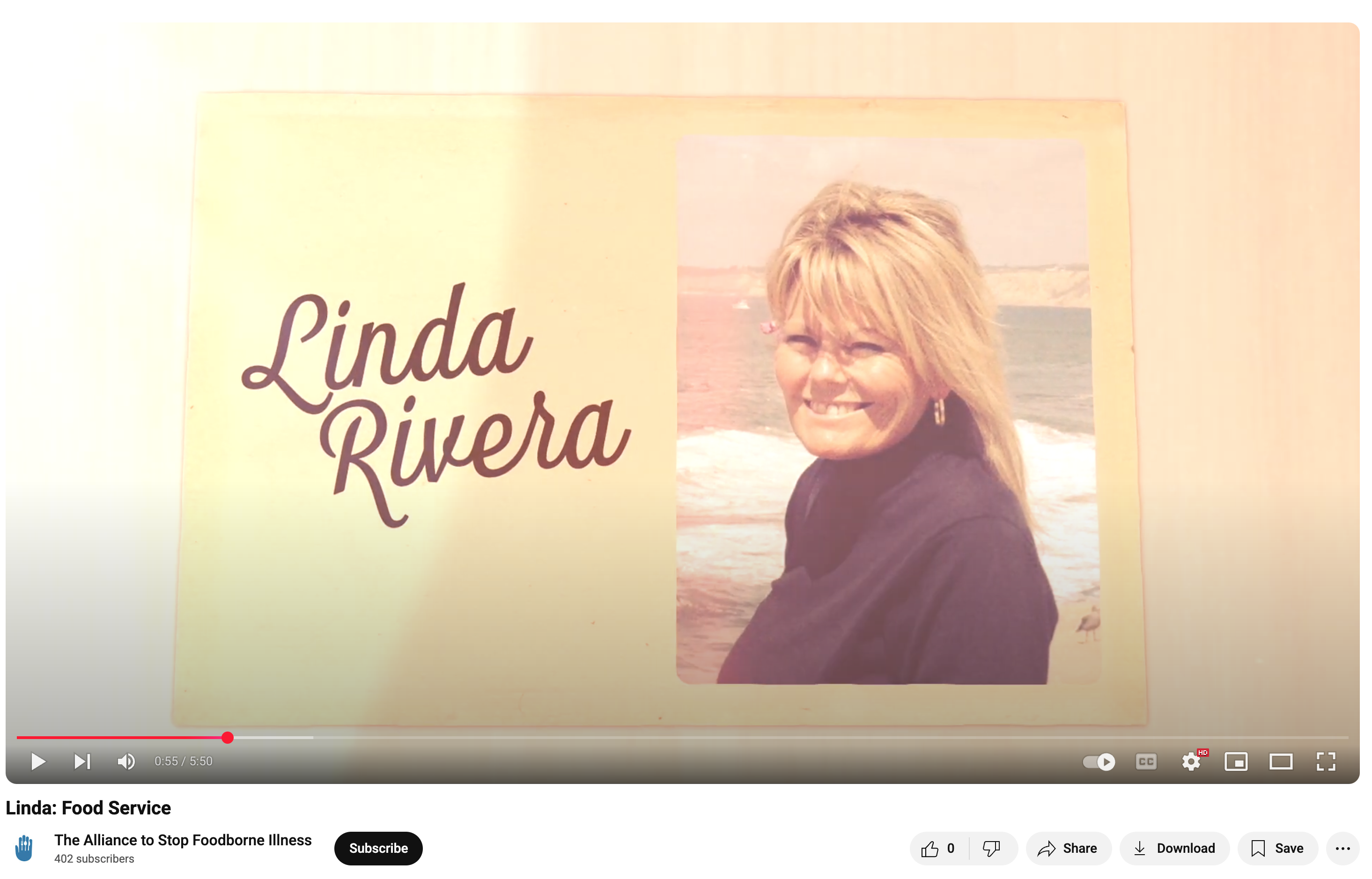
Video Series - Putting a Face on Foodborne Illness | Alliance to Stop Foodborne Illness